


Description
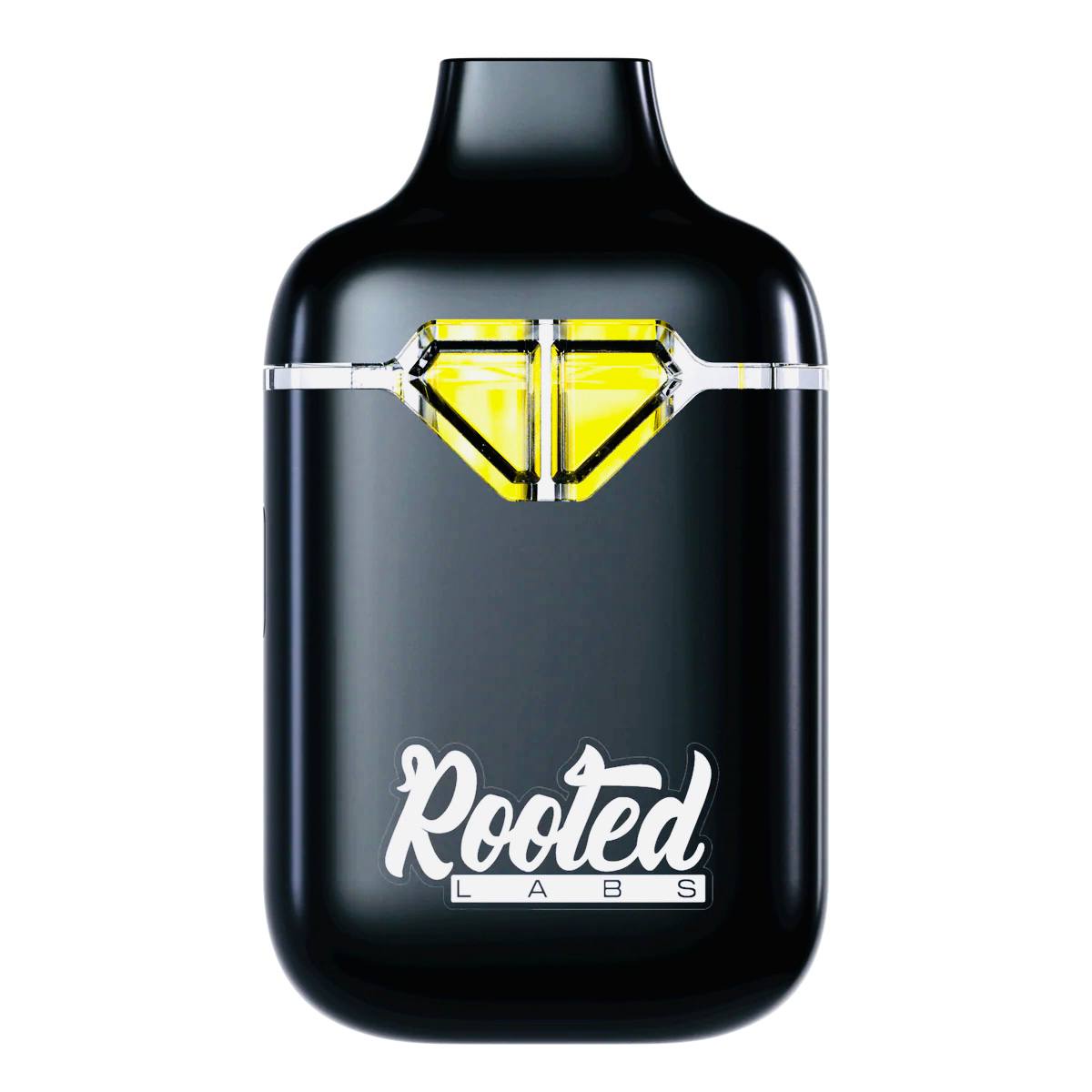
Rooted Labs Dual Chamber 2G Disposable: Informational Overview
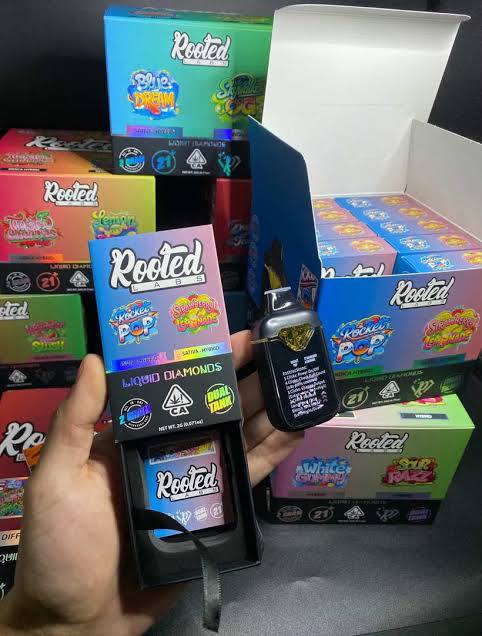
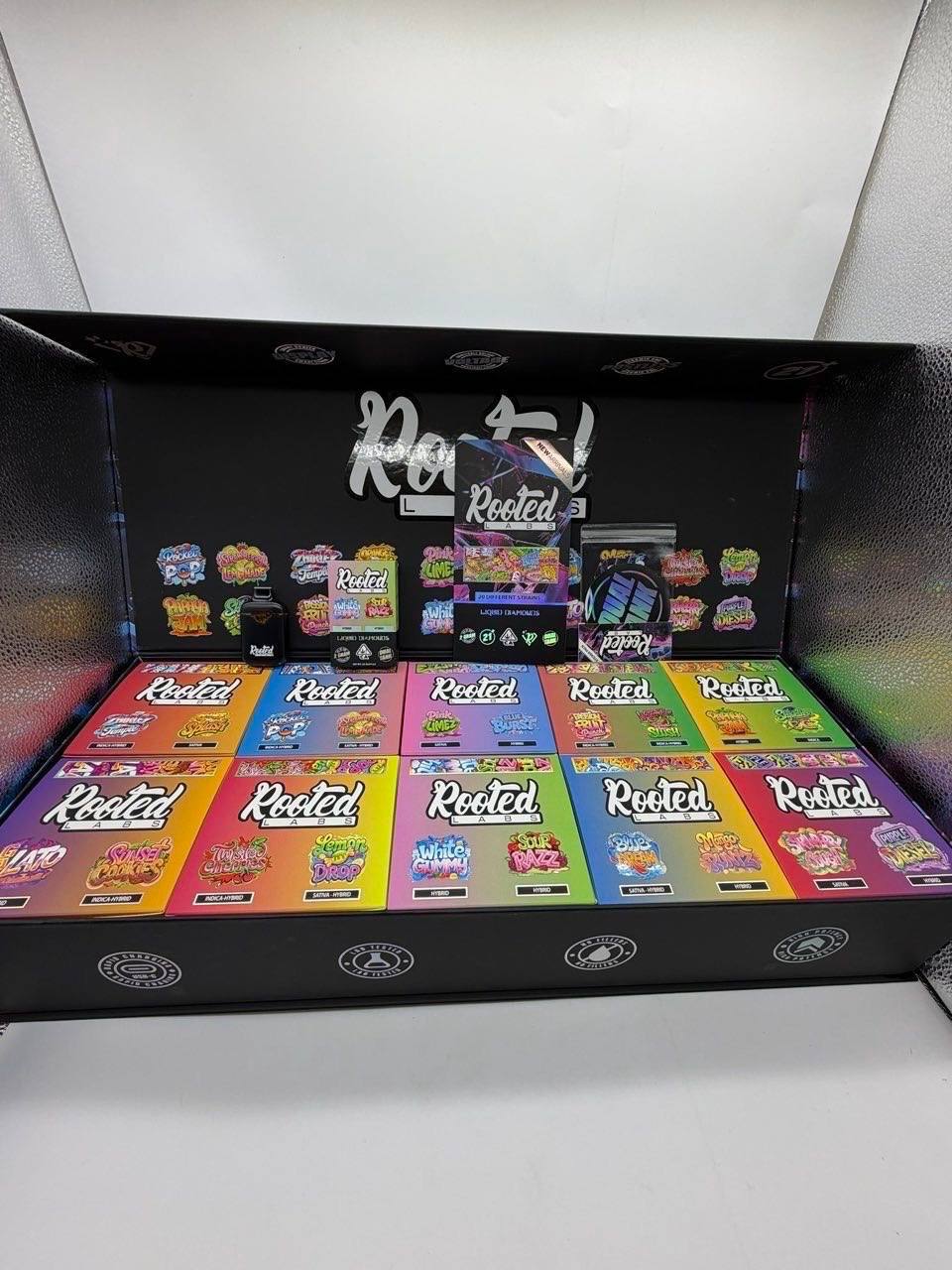
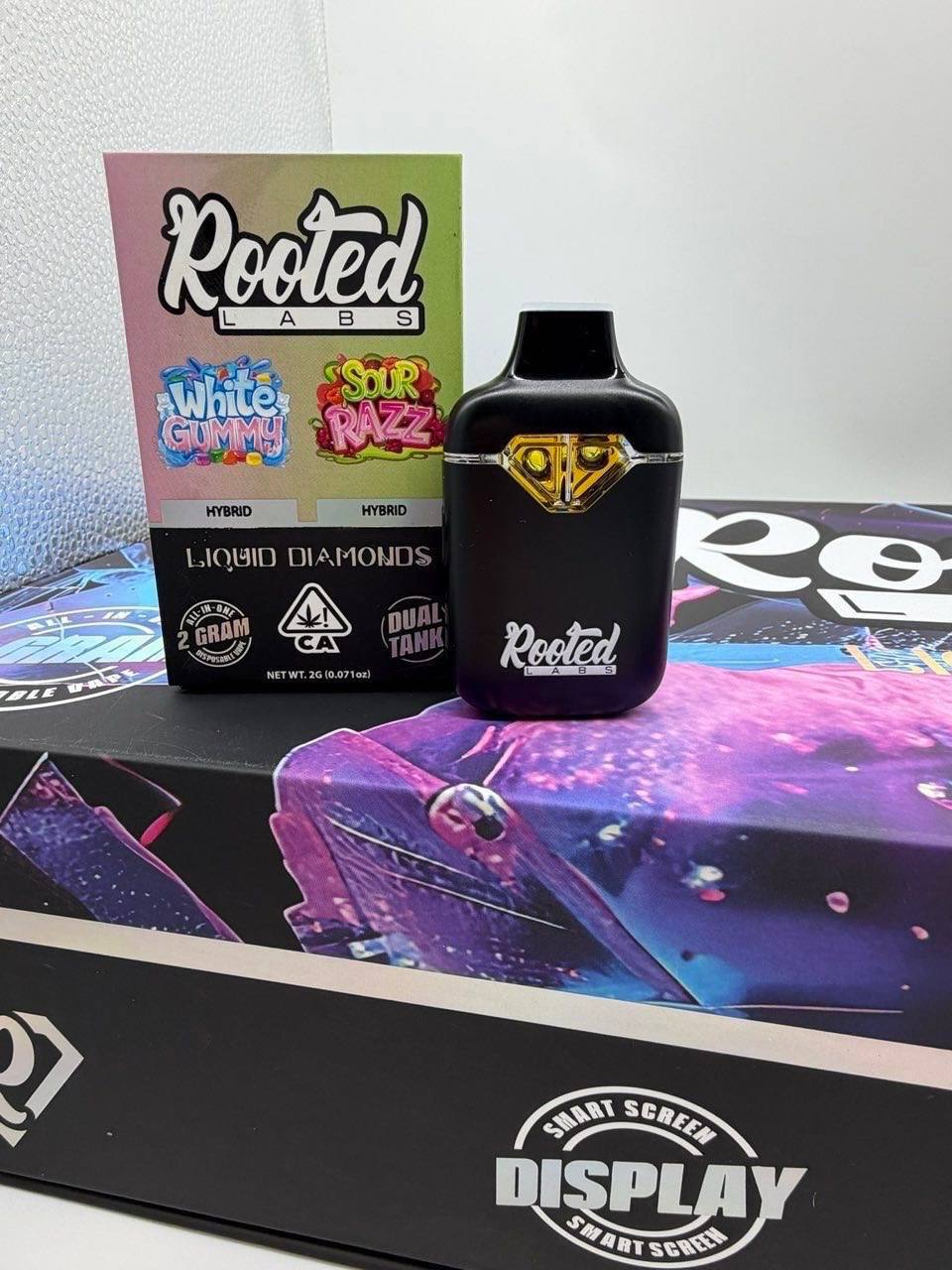
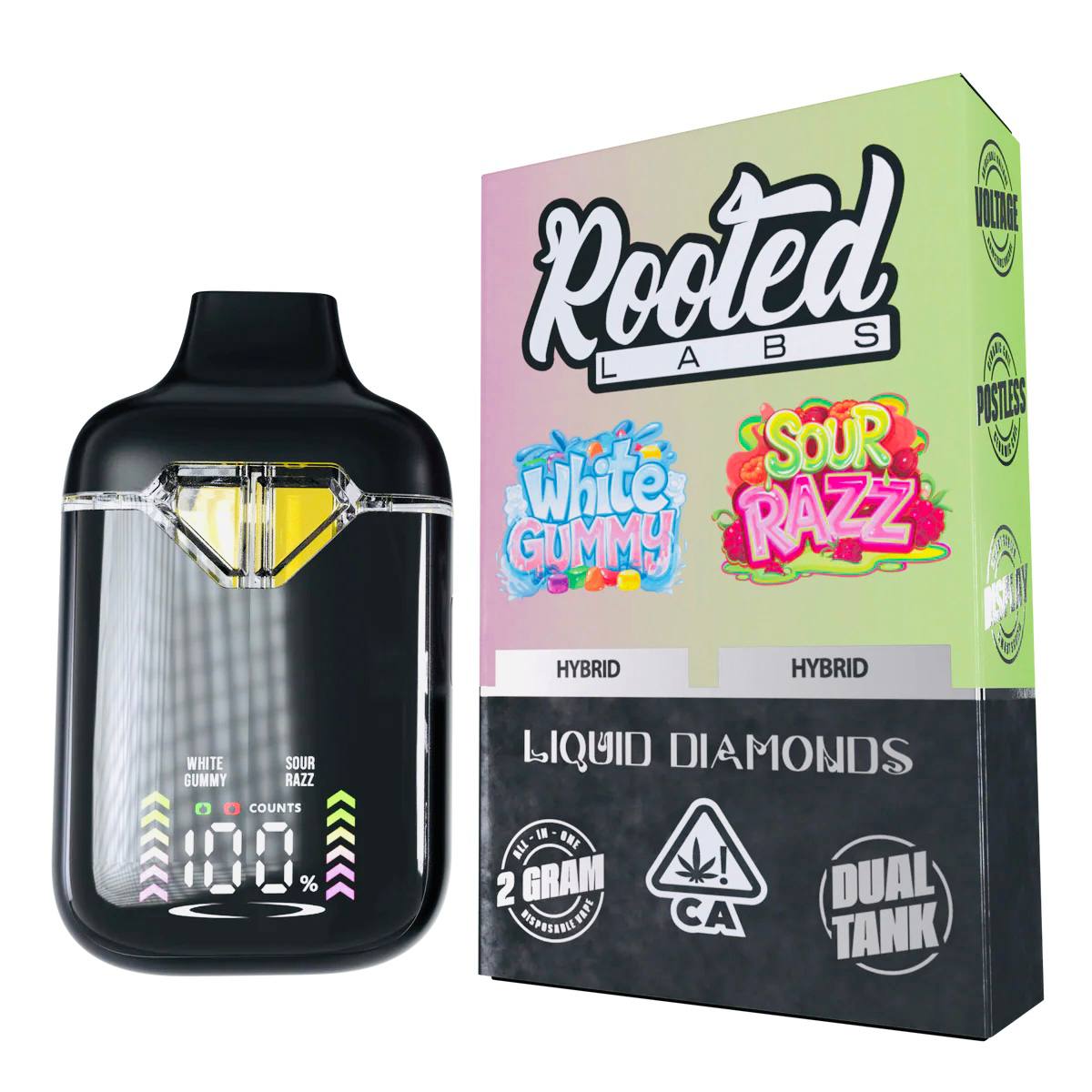
The Rooted Labs Dual Chamber 2G Disposable is a portable vaporization device designed with a dual-chamber configuration. Unlike traditional single-chamber disposables, a dual–chamber system contains two separate reservoirs that can hold different formulations. This design allows users to switch between chambers or combine contents, depending on the device’s engineering and operating features.
Design and Construction
A dual–chamber disposable device typically features a compact body that houses two independent reservoirs, a rechargeable battery, and an integrated heating system. The separation between chambers helps maintain the characteristics of each formulation until vaporization occurs.
Many modern disposable devices focus on portability. As a result, the overall structure is usually lightweight and easy to carry. Manufacturers often incorporate durable materials to improve resistance to daily wear while maintaining a streamlined appearance.
Dual-Chamber Technology
One of the most notable aspects of this device category is the presence of two chambers within a single unit. Each chamber remains isolated from the other, which helps preserve flavor profiles and ingredient consistency.
This design can provide flexibility because users may access different formulations without carrying multiple devices. Furthermore, dual-chamber systems represent an evolution in disposable vaporizer engineering, offering additional functionality compared with conventional single-reservoir models.

Battery Performance
Battery technology plays a significant role in the overall experience of any disposable vaporizer. Many dual-chamber devices include rechargeable batteries that support extended usage throughout the product’s lifespan.
Rechargeable functionality helps reduce situations where material remains in the chambers after the battery becomes depleted. Consequently, users can recharge the device as needed until the contents have been fully utilized.
Heating System
The heating component converts liquid material into vapor. Manufacturers often design heating elements to provide consistent temperature performance and efficient operation.
A stable heating process can contribute to uniform vapor production. Additionally, advances in heating technology continue to influence the development of modern disposable devices by improving reliability and efficiency.
Portability and Convenience
Portable vaporizers remain popular because of their compact form factor. A dual-chamber disposable combines multiple functions within a single device, reducing the need for separate units.
The all-in-one design eliminates many maintenance requirements associated with refillable systems. Therefore, users generally do not need to replace coils, refill reservoirs, or perform extensive upkeep.
Manufacturing Considerations
Product quality often depends on manufacturing standards, material selection, and testing procedures. Responsible manufacturers may implement quality-control processes to evaluate consistency, device performance, and overall reliability.
Testing protocols can help identify defects before products reach consumers. Moreover, quality assurance measures contribute to greater consistency across production batches.
User Experience Features
Many modern disposables include features intended to simplify operation. Draw-activated systems, for example, eliminate the need for multiple buttons. As a result, the device may activate automatically when inhalation is detected.
Some designs also include indicators that provide information regarding battery status or chamber selection. These additions can improve usability while maintaining a straightforward operating experience.
Flavor Preservation
Separate chambers can assist with flavor preservation because formulations remain isolated until use. This separation helps reduce interaction between ingredients stored in different reservoirs.
Consequently, dual-chamber devices may offer a distinct approach to maintaining individual flavor characteristics throughout the product’s lifespan.
Device Evolution
The disposable vaporizer market has experienced significant technological development over the past several years. Manufacturers have introduced larger capacities, rechargeable batteries, improved heating systems, and more advanced airflow designs.
Dual-chamber technology represents one example of this ongoing evolution. By integrating multiple reservoirs into a single device, manufacturers continue to explore new approaches to convenience and functionality.
Storage and Maintenance
Although disposable devices generally require minimal maintenance, proper storage remains important. Keeping the device in a cool, dry location can help protect internal components and preserve overall performance.
Exposure to excessive heat, moisture, or direct sunlight may affect battery condition and material stability. Therefore, appropriate storage practices contribute to maintaining device integrity.
The Rooted Labs Dual Chamber 2G Disposable belongs to a category of vaporization devices that emphasizes portability, dual-reservoir functionality, and rechargeable convenience. Its defining feature is the separation of two chambers within a single compact unit, allowing distinct formulations to remain isolated until use. Alongside advances in battery technology and heating systems, dual-chamber devices illustrate how modern vaporizer engineering continues to evolve through innovation and design refinement.

Understanding Dual-Chamber Device Architecture
Dual-chamber architecture represents a notable development in portable vaporization technology. Traditional disposable devices generally rely on a single reservoir, whereas dual-chamber models divide storage into two independent sections. This arrangement requires additional engineering considerations, including chamber isolation, airflow management, and heating consistency.
Engineers often focus on preventing cross-contamination between chambers. Effective separation helps maintain the characteristics of each formulation throughout storage and use. In addition, carefully designed airflow pathways support efficient vapor delivery while preserving chamber independence.
Airflow Design and Performance
Airflow design influences how vapor is produced and delivered. Modern devices frequently incorporate internal channels that regulate the movement of air through the heating system. Consistent airflow contributes to predictable device operation and may help maintain uniform vapor generation.
Manufacturers continue to refine airflow systems to balance resistance, efficiency, and user comfort. Consequently, airflow engineering remains a central aspect of vaporizer development.
Materials Used in Device Construction
Disposable vaporization devices often incorporate a combination of metals, polymers, ceramics, and electronic components. Material selection affects durability, thermal performance, and manufacturing efficiency.
Ceramic heating elements are commonly used because they can distribute heat evenly across a larger surface area. Likewise, durable housing materials help protect internal electronics from everyday handling. The choice of materials ultimately influences product reliability and operational consistency.
Rechargeable Battery Technology
Battery technology has advanced considerably during the past decade. Rechargeable lithium-ion batteries are frequently used in portable electronic devices due to their compact size and energy density.
Within vaporization devices, rechargeable batteries help support extended functionality. Rather than disposing of a device when battery power becomes depleted, users can recharge and continue using the product until its contents have been exhausted. This development has influenced the design of many modern disposable systems.
Quality Control Procedures
Manufacturing quality control involves multiple stages of inspection and testing. Components may be evaluated individually before assembly, while completed devices often undergo additional performance assessments.
Quality-control programs can include battery verification, airflow testing, heating-element inspection, and structural evaluation. These procedures assist manufacturers in identifying inconsistencies before products enter distribution channels.
Packaging and Product Protection
Packaging serves several important functions beyond visual presentation. Protective packaging helps shield devices from physical damage during transportation and storage. In addition, manufacturers may use tamper-evident features to enhance product integrity.
Labels often provide information regarding product specifications, manufacturing details, storage recommendations, and safety considerations. Accurate labeling supports transparency and helps consumers understand product characteristics.
Environmental Considerations
The growing use of electronic disposable devices has generated discussions regarding environmental responsibility. Manufacturers, consumers, and regulatory organizations continue to explore approaches that reduce electronic waste while maintaining product functionality.
Rechargeable designs represent one development intended to improve resource utilization. Furthermore, recycling initiatives and responsible disposal programs may contribute to more sustainable handling of electronic components.
Industry Innovation Trends
The vaporization industry continues to evolve through advancements in electronics, battery efficiency, and device engineering. Dual-chamber configurations, improved heating technologies, and enhanced battery management systems illustrate how manufacturers seek to expand functionality within compact designs.
Future developments may focus on greater efficiency, improved durability, and enhanced quality-control standards. As technology progresses, engineering innovations are likely to influence both device performance and manufacturing practices.
Safety and Regulatory Awareness
Regulatory requirements vary significantly between jurisdictions. Manufacturers operating within legal markets often must comply with testing, labeling, packaging, and manufacturing standards established by regional authorities.
Consumers are encouraged to review local regulations and product information before purchasing or using any vaporization device. Understanding applicable requirements supports informed decision-making and responsible product use.
Summary
Dual chamber disposable vaporization devices highlight ongoing innovation within portable electronic technology. Their distinctive design, rechargeable battery systems, and integrated heating components reflect broader trends in product engineering. As manufacturing techniques continue to advance, devices in this category may benefit from improvements in efficiency, consistency, and overall design quality.
The Role of Electronics in Modern Vaporization Devices
Electronic components form the foundation of contemporary vaporization devices. A typical system includes a battery, power-management circuitry, heating elements, sensors, and safety features that work together to support device operation.
Power-management systems regulate the flow of energy from the battery to the heating element. This regulation helps maintain consistent performance while also protecting internal components from excessive electrical stress. As technology advances, manufacturers continue to develop more efficient electronic systems that improve reliability and energy utilization.

Heating Element Technologies
Heating elements are responsible for transforming liquid formulations into vapor. Different technologies have emerged over time, including ceramic, quartz, and metal-based heating systems. Each approach offers unique engineering characteristics related to heat distribution, durability, and manufacturing complexity.
Ceramic heating systems have gained attention because of their ability to provide even temperature distribution. Uniform heating may contribute to consistent device operation and can reduce the likelihood of localized overheating. Consequently, ceramic technology remains a common choice in many modern vaporization devices.
Battery Safety Features
Safety remains an important consideration in the design of portable electronic devices. Manufacturers often incorporate multiple protective mechanisms to support battery performance and reduce operational risks.
Common protections may include:
- Overcharge protection
- Short-circuit protection
- Over-discharge protection
- Temperature monitoring
- Voltage regulation systems
These features work together to help maintain stable device operation. Furthermore, battery management technology continues to improve as manufacturers seek greater efficiency and reliability.
Manufacturing Precision and Assembly
The assembly of dual-chamber devices requires careful attention to detail. Internal components must fit within a compact enclosure while maintaining proper airflow and electrical connectivity. Therefore, manufacturing precision plays a significant role in overall product consistency.
Automated production equipment frequently assists with assembly processes. At the same time, inspection procedures verify that components meet established specifications. Through these measures, manufacturers aim to maintain consistent quality across production runs.
Portability in Consumer Electronics
Portability has become a defining characteristic of many electronic products. Consumers often prefer devices that combine functionality with compact dimensions. As a result, engineers focus on reducing size while preserving performance.
Dual-chamber disposable devices illustrate this trend by integrating multiple storage compartments, electronic systems, and power sources into a single handheld unit. Such designs demonstrate how modern engineering balances convenience with technical capability.
Product Storage Considerations
Environmental conditions can influence the performance of electronic devices. Temperature fluctuations, moisture exposure, and physical impact may affect internal components over time. Proper storage helps preserve device integrity and supports consistent operation.
Manufacturers commonly recommend storing devices in dry environments away from direct sunlight and excessive heat. These precautions may help protect both electronic components and battery systems during periods of non-use.
Future Directions in Device Development
Technological innovation continues to shape the future of portable vaporization systems. Research and development efforts frequently focus on battery efficiency, material science, electronic miniaturization, and manufacturing optimization.
Emerging technologies may contribute to improved energy management, enhanced durability, and greater product consistency. Additionally, advancements in quality-control processes could further strengthen manufacturing standards across the industry.
Dual-chamber disposable devices represent a specialized category within portable vaporization technology. Their design incorporates separate storage chambers, rechargeable battery systems, integrated electronics, and compact construction. Through ongoing innovation in engineering and manufacturing, these devices reflect broader trends in the evolution of modern consumer electronics.
Understanding the technology behind these products provides valuable insight into how battery systems, heating elements, airflow design, and quality-control practices work together within a compact electronic device. As technological development continues, future generations of portable devices are likely to benefit from further advancements in efficiency, reliability, and design sophistication.
Product Lifecycle and Consumer Electronics Trends
Every electronic device follows a lifecycle that begins with concept development and extends through manufacturing, distribution, usage, and eventual disposal or recycling. Dual-chamber disposable vaporization devices are no exception. Their development involves research, engineering, prototyping, testing, production, and quality assurance before they reach consumers.
During the design phase, engineers evaluate component compatibility, power requirements, airflow systems, and manufacturing feasibility. Prototype models allow development teams to identify potential improvements before mass production begins. As a result, manufacturers can refine product performance while addressing durability and safety considerations.
Research and Development Processes
Research and development departments play a central role in advancing electronic device technology. Teams often analyze materials, battery performance, heating efficiency, and manufacturing methods to identify opportunities for improvement.
In many industries, product innovation results from incremental enhancements rather than dramatic redesigns. Consequently, newer generations of devices may appear similar externally while incorporating significant internal improvements. These refinements can include better battery management systems, more efficient heating elements, and enhanced structural durability.
Compact Engineering Solutions
Designing a compact device requires careful planning. Engineers must arrange batteries, electronic components, chambers, and airflow pathways within limited internal space. Therefore, efficient component placement becomes a critical factor in successful product development.
Compact engineering also influences portability. Smaller devices are generally easier to transport and store, which explains why miniaturization remains an important objective across many categories of consumer electronics.
Reliability Testing
Reliability testing helps manufacturers evaluate how products perform under various conditions. Testing procedures may assess battery stability, airflow consistency, heating performance, and structural integrity.
Manufacturers often conduct repeated usage simulations to determine whether components maintain acceptable performance levels throughout a product’s intended lifespan. Additionally, environmental testing may expose devices to different temperatures and humidity levels to evaluate resilience.
Supply Chain Considerations
Modern electronic products depend on global supply chains that involve raw materials, specialized components, manufacturing facilities, and distribution networks. Each stage contributes to the final product that reaches consumers.
Supply chain management focuses on maintaining product quality while supporting efficient production schedules. Consequently, manufacturers frequently work with multiple suppliers to ensure component availability and production continuity.
Consumer Expectations and Technology
Consumer expectations continue to influence product development. Many individuals prioritize convenience, reliability, portability, and ease of use when evaluating electronic devices. Manufacturers often respond by incorporating features that simplify operation and improve overall user experience.
Technological improvements frequently emerge as companies compete to deliver more refined products. This competitive environment encourages innovation while supporting ongoing advances in engineering and manufacturing practices.
Material Durability
Durability remains an important factor in portable electronics. Devices encounter a variety of conditions during transportation and everyday handling. Therefore, manufacturers often select materials that balance strength, weight, and manufacturing efficiency.
Durable construction can help protect sensitive internal components from accidental impacts. Moreover, robust materials may contribute to longer-lasting performance throughout the product lifecycle.
Industry Standards and Compliance
Many industries operate under established standards that guide manufacturing practices, safety evaluations, and product labeling. Compliance with applicable requirements supports consistency and transparency throughout the marketplace.
Standards may address topics such as electrical safety, battery transportation, material specifications, and manufacturing procedures. Consequently, adherence to these requirements forms an important part of responsible product development.
Emerging Technologies
Advances in battery chemistry, sensor technology, and electronic miniaturization continue to shape future product designs. Engineers increasingly explore methods that improve efficiency while reducing component size and power consumption.
Emerging innovations may influence the next generation of portable devices across numerous industries. As technology evolves, manufacturers are likely to pursue solutions that enhance reliability, sustainability, and overall performance.
Final Thoughts
Dual-chamber disposable devices represent a combination of compact engineering, electronic integration, and modern manufacturing techniques. Their structure highlights the complexity involved in designing small consumer electronics that incorporate batteries, airflow systems, heating technologies, and multiple internal chambers.
From research and development to quality control and product testing, numerous processes contribute to the creation of these devices. Examining these elements provides a broader understanding of how modern electronic products are designed, manufactured, and refined through continuous technological advancement.


Reviews
There are no reviews yet.